Worker’s Compensation Exercise Physiology in Perth
Structured rehabilitation delivered by experienced workers compensation exercise physiologists for people injured at work and covered under workers compensation.
Exercise Physiology for Worker’s Compensation Injuries
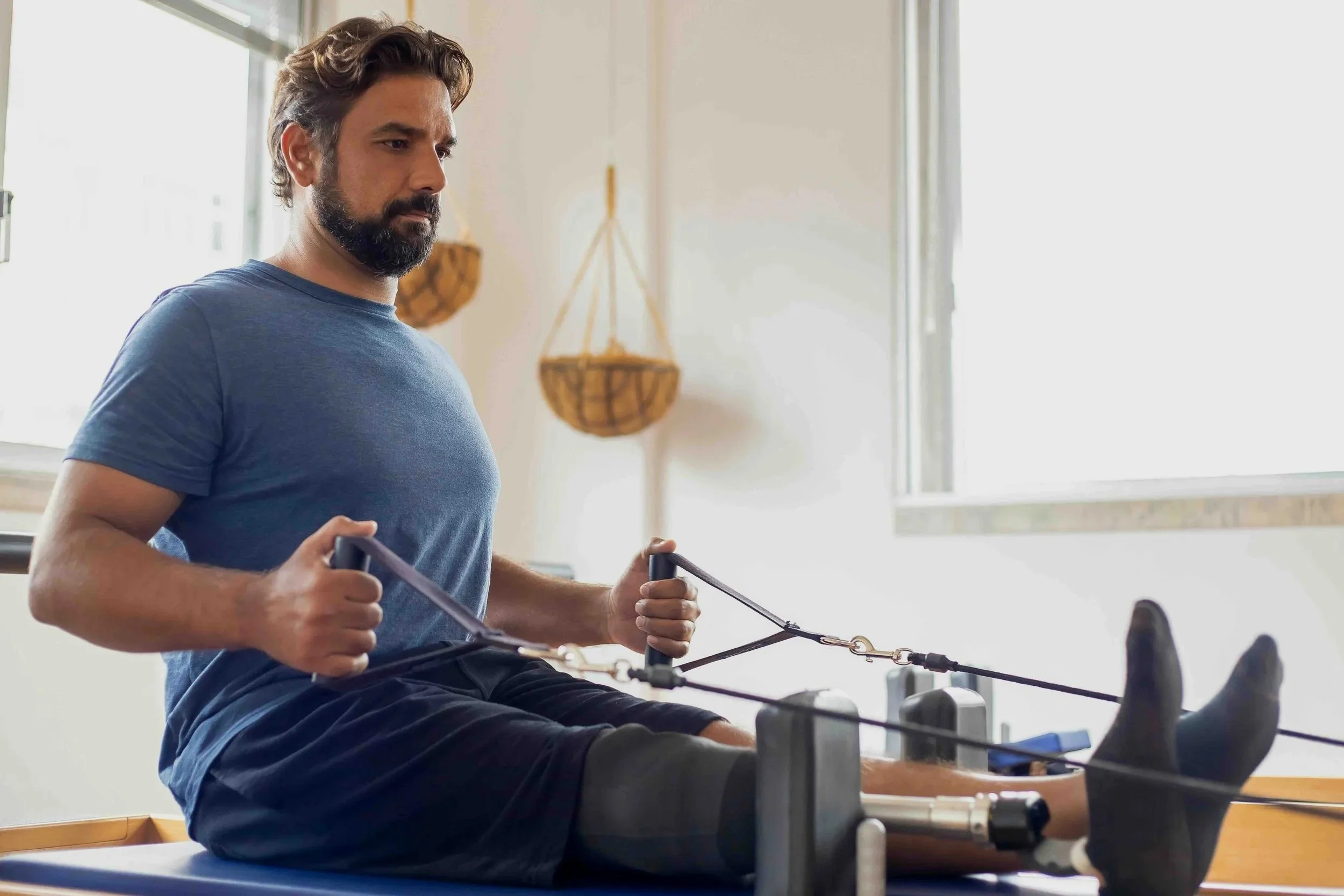
If you have been injured at work and are on worker’s compensation claim, exercise physiology can form part of your rehabilitation. At Revolv Health, our accredited worker’s compensation exercise physiologists provide structured, evidence-based exercise programs designed to rebuild strength, restore physical capacity, and support a safe and sustainable return to work. Programs are tailored to your specific injury, job demands, and stage of recovery rather than delivered as generic treatment sessions.
Workplace Injury Rehabilitation and Return-to-Work Support
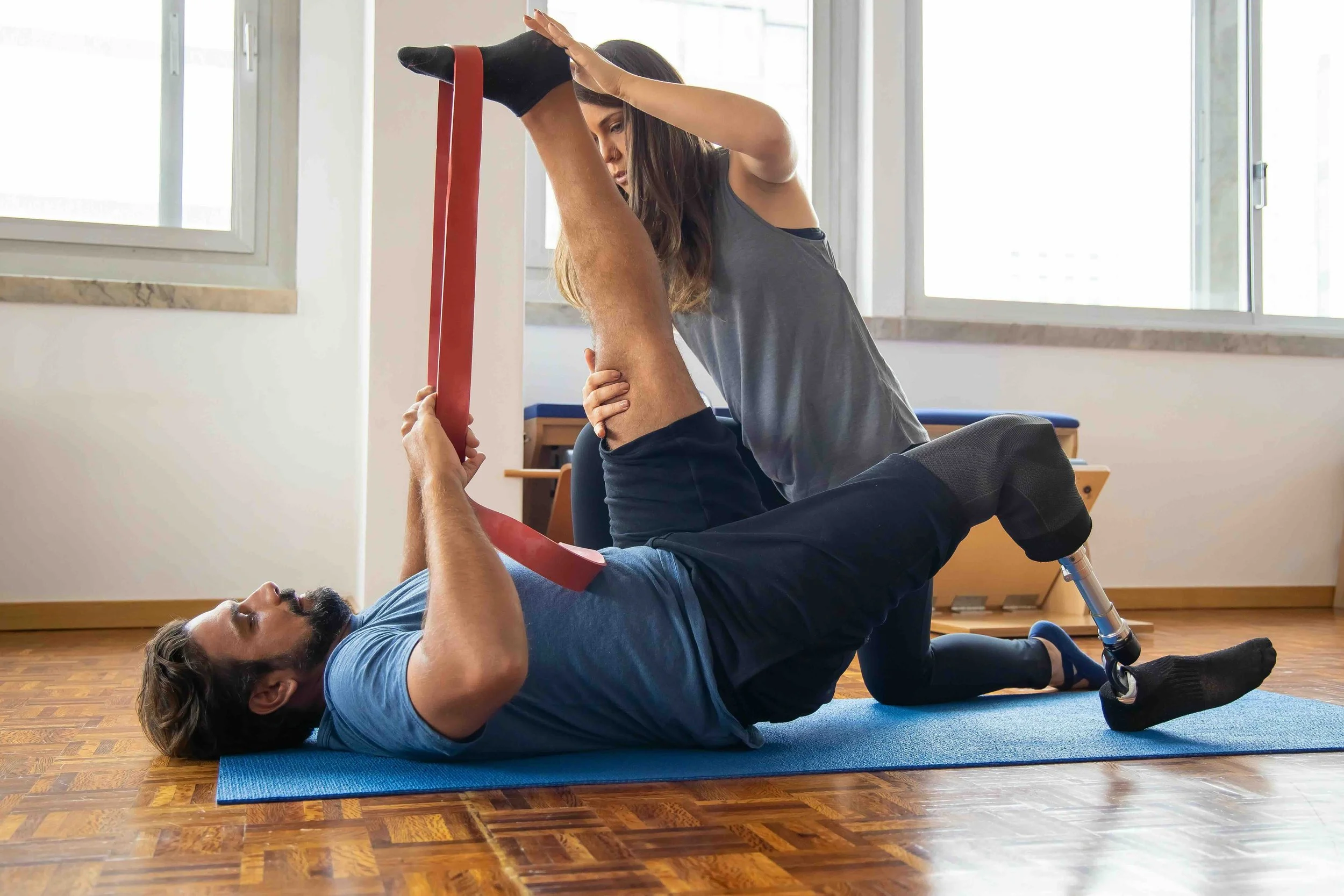
Workplace injury rehabilitation begins with a detailed assessment of your injury, current symptoms, physical limitations, and work requirements. Whether you are early in your workplace injury claim or further along in the process, a structured exercise plan is developed to progressively rebuild capacity, improve tolerance to activity, and address the physical demands of your role. Sessions are supervised and adjusted over time to ensure injured tissues are loaded appropriately, functional ability improves, and work tolerance increases in a safe and measurable way.
How Worker’s Compensation Exercise Physiology Works
Worker’s compensation exercise physiology starts with a comprehensive initial assessment covering injury history, mechanism of injury, current symptoms, medical considerations, and the physical demands of your job. If you are receiving injured at work compensation under an approved workers compensation claim, a tailored rehabilitation plan is developed outlining key goals, exercise priorities, and expected progression. Ongoing sessions are used to supervise exercise, monitor response to treatment, and adjust the program as recovery progresses.

Who Worker’s Compensation Exercise Physiology Is For
Workers compensation exercise physiology is suited to people who have sustained a work related or workplace injury and are covered under an approved worker’s compensation claim. This includes musculoskeletal injuries, repetitive strain injuries, post-surgical conditions, or more complex and long-standing workplace injuries. Programs are tailored to individual capacity and job demands rather than fixed timelines, with rehabilitation guided by clinical progress and work requirements.
Worker’s Compensation Reporting and Insurer Communication
Clear communication is an important part of worker’s compensation rehabilitation. With your consent, we liaise with insurers and rehabilitation consultants as required, providing objective progress updates, functional capacity information, and clinical reporting to support return-to-work planning and workplace injury compensation requirements. Our role as your worker’s compensation physiologist is to deliver structured rehabilitation and accurate reporting rather than manage or advise on the legal aspects of your worker’s compensation claim.
Accessing Worker’s Compensation Exercise Physiology in Western Australia
In Western Australia, injured workers have the right to choose their own exercise physiology provider when accessing worker’s compensation services. Referrals commonly come from a GP, insurer, or rehabilitation consultant. Once your worker’s compensation claim is approved, services are typically funded through the insurer. Treatment plans, progress updates, and required documentation are provided throughout rehabilitation to support recovery and return-to-work decision-making.
Frequently Asked Questions
-
Yes. In Western Australia, injured workers are entitled to choose their own worker’s compensation exercise physiology provider.
-
A referral is typically required to access workers compensation-funded exercise physiology and is usually provided by a GP, insurer, or rehabilitation consultant. In some cases there is flexibility for an initial assessment and report before a further cost proposal is accepted.
-
The first appointment involves a detailed assessment of your workplace injury, physical capacity, work demands, and recovery goals, followed by the development of a tailored rehabilitation plan.
-
Yes. With appropriate consent, progress updates and clinical reports are provided as required throughout the rehabilitation process.
-
The primary aim is to support recovery and functional capacity, with return-to-work planning guided by individual circumstances, clinical progress, and job requirements.