
Exercise Physiology Under The National Disability Insurance Scheme (NDIS)
Personalised exercise physiology support to help you build strength, improve mobility, and live more independently under the NDIS.
NDIS Exercise Physiology Services at Revolv Health
The National Disability Insurance Scheme (NDIS) is designed to help Australians living with a disability get access to the support they need to live more independently and improve their quality of life. Depending on your plan, this can include different types of allied health services that help you work towards your personal goals. One of those services can be Exercise Physiology, if it’s the right fit for your needs. This involves working with a qualified professional who designs a tailored exercise program to help you build strength, improve movement, and stay as independent as possible in your day-to-day life.
At Revolv Health, our Accredited Exercise Physiologists work with NDIS participants in all kinds of situations. For some, it’s about maintaining mobility and strength so everyday tasks stay manageable. For others, it’s more structured support, whether that’s rebuilding physical capacity, improving cardiovascular health, or developing the strength and coordination needed to get more involved in the community. No two programs are the same. Everyone comes in with different abilities, goals, and levels of support around them. Our job is to understand where you’re at, what you’re working towards, and build a program that actually fits, both physically and in line with your NDIS plan.
Understanding NDIS Funding and Management
NDIS plans can be managed in several different ways depending on how a participant has chosen to structure their support. Understanding how a plan is managed is important because it determines how services are coordinated and how invoices are processed. NDIS funding is broadly categorised into three management types: Agency Managed, Plan Managed, and Self Managed.
Agency Managed
Agency managed plans are administered directly through the National Disability Insurance Agency (NDIA). In this structure, the NDIA manages payments for services delivered under the participant’s plan and pays registered providers directly. This arrangement can be helpful when a participant prefers a more structured approach to service management or where additional oversight is required. Because the NDIA processes payments directly, participants do not need to manage invoices themselves.
Plan Managed
Plan managed funding involves the use of a third-party plan manager who assists with coordinating services and managing invoices on behalf of the participant. Plan managers work with participants, support coordinators, and allied health providers to ensure services are delivered in accordance with the participant’s NDIS plan. They are responsible for paying service providers and can also assist with documentation, invoices, and communication with the NDIS where required. This option is very common as it allows participants to access a wide range of providers while reducing the administrative burden of managing payments directly.
Self Managed
Self managed funding allows the participant, or a nominated representative such as a family member, to take responsibility for organising services and paying providers directly. This option offers the greatest level of flexibility when choosing service providers but does require participants or their families to manage invoices, payments, and service coordination themselves.
At Revolv Health, we currently support Plan Managed and Self Managed NDIS participants.
How NDIS Exercise Physiology Works
Accessing Exercise Physiology through the NDIS is a straightforward process. It starts with understanding your situation, and then building a program around your needs, goals, and current capacity.
Initial Assessment
Your first session is all about getting a clear picture of where you’re at. We’ll go through your medical history, current physical capacity, and any existing supports you have in place. This can include past injuries, surgeries, medications, and any work you’re already doing with other health professionals. Where it’s appropriate, we may also run some simple physical assessments to look at things like strength, balance, mobility, coordination, and cardiovascular fitness. These aren’t about pushing you, they’re just there to help us understand what’s safe and suitable for you.
Aligning with Your NDIS Plan
A big part of this process is making sure everything we do connects back to your NDIS goals. Whether that’s improving independence, building confidence with movement, or getting more involved in everyday or community activities, exercise is used in a structured way to support those outcomes.
Your Personalised Program
Once we’ve completed your assessment, we design a program tailored specifically to you. In your follow-up sessions, we’ll guide you through the exercises, show you how to do everything safely, and make sure you understand how it all fits into your overall plan. From there, the program evolves over time as your capacity and goals progress.
What NDIS Exercise Physiology Can Focus On
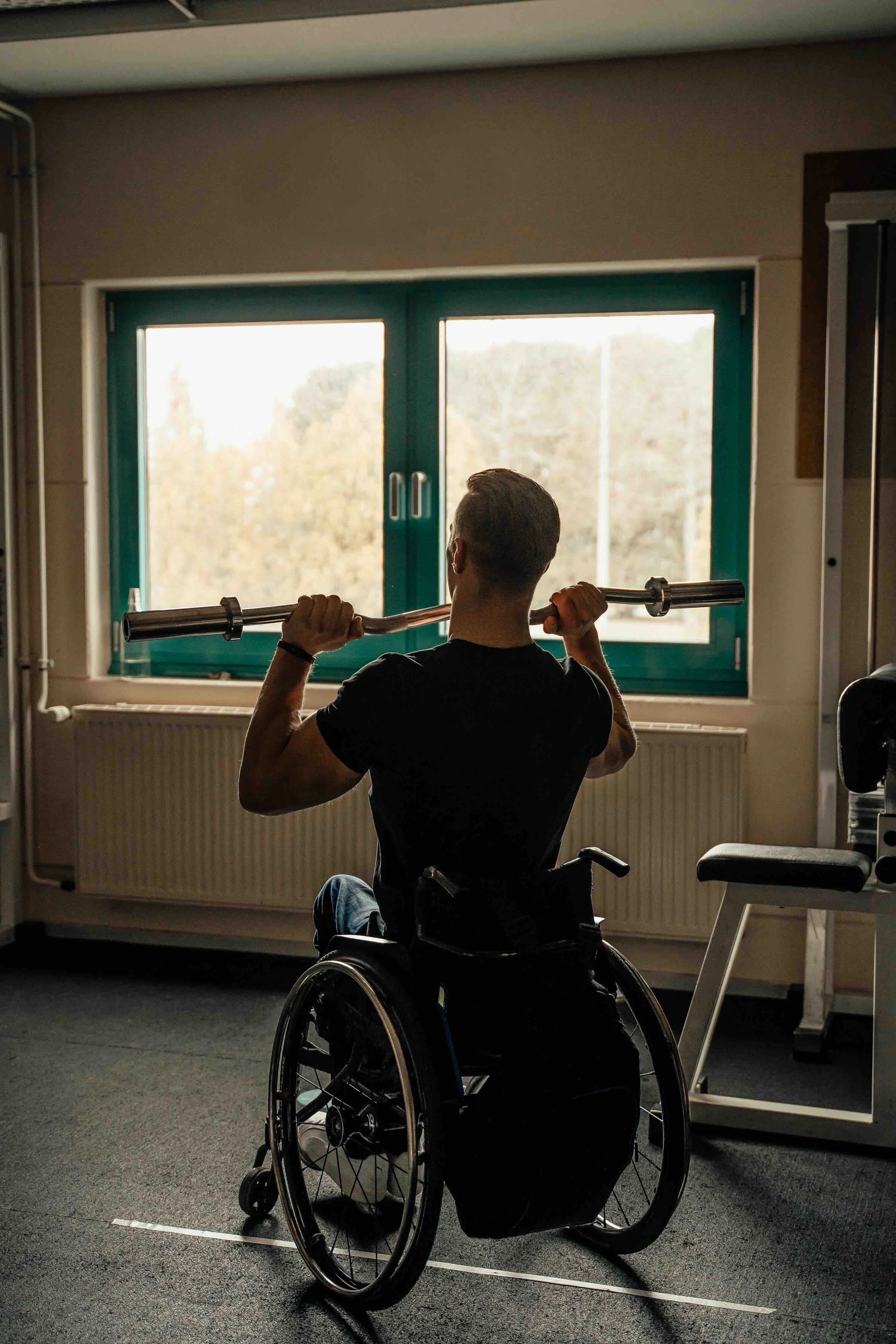
Exercise Physiology goals will look different for everyone. Each participant comes in with their own physical capacity, challenges, and what they’re trying to achieve, so there’s no one-size-fits-all approach. For some, the focus is on maintaining strength and mobility so everyday tasks remain safe and manageable. For others, it’s about building new capacity, improving movement, and developing the physical confidence to take part more fully in work, recreation, or community life.
Depending on the individual, exercise programs may focus on areas such as:
Improving cardiovascular fitness and general physical health
Building or maintaining muscular strength
Improving balance, coordination, and stability
Supporting mobility and functional movement
Managing secondary health conditions related to disability
Improving endurance for everyday activities
Programs are always adjusted over time based on how the participant responds to exercise, ensuring that the level of challenge remains appropriate and that progress is monitored safely.
Who NDIS Exercise Physiology Support Is Suited For
Exercise Physiology is often included in an NDIS plan when improving or maintaining physical function is key to supporting independence and day-to-day life. At Revolv Health, we work with people in a wide range of situations. For some, the focus is on maintaining independence with everyday tasks like walking, using stairs, or moving safely at home. For others, it’s about building physical capacity so they can take part more fully in work, sport, or community life. Because every situation is different, we approach each person individually. Programs are built around your goals, your current ability, and the level of support you have in place.
NDIS Clinical Reporting and Assessments
As part of your NDIS plan, you may need clinical reports at different stages to show how your supports are progressing and whether they should continue. At Revolv Health, we handle this as part of your Exercise Physiology service. This can include initial assessments to outline your current physical capacity, progress reports that track improvements over time, and documentation to support NDIS plan reviews. These reports help demonstrate how your program is contributing to your goals, and provide the evidence needed to support ongoing services where appropriate. Where needed, we also work alongside support coordinators, plan managers, and other healthcare providers to keep everything aligned.
Frequently Asked Questions About Exercise Physiology Under NDIS
-
Exercise Physiology is a clinical service that uses structured, individualised exercise to improve health, build physical capacity, and manage a wide range of conditions. It’s delivered by Accredited Exercise Physiologists, who are university-trained allied health professionals. Their role is to assess how your body is currently functioning and design a program that helps you improve or maintain movement, strength, and overall physical health over time. Within the NDIS, Exercise Physiology is often used to support long-term outcomes. This might include improving mobility, managing the physical impacts of a disability, reducing the risk of further decline, or helping you stay independent in your day-to-day life.
-
Physiotherapy and Exercise Physiology often work alongside each other, but they focus on different stages of care. Physiotherapy is typically more focused on acute injury management, pain relief, and restoring movement in the early stages of recovery. It may involve hands-on treatment, manual therapy, and short-term rehabilitation. Exercise Physiology focuses more on the longer term. It’s centred around structured exercise programs that are designed to build strength, improve endurance, and develop the physical capacity needed for everyday life. Rather than treating a specific injury in isolation, it looks at how your body functions as a whole and works to improve it over time. In many cases, people transition from physiotherapy into Exercise Physiology once they’re ready to move beyond early-stage recovery and focus on ongoing progress.
-
Revolv Health works with both Plan Managed and Self Managed NDIS participants. For Plan Managed participants, we can liaise directly with your plan manager to handle invoicing and ensure everything aligns with your plan. This tends to make the process more streamlined, particularly when multiple services are involved. For Self Managed participants, you have more flexibility in how you access services. We provide clear documentation and invoices so you can manage claims and stay on top of your funding. If you’re unsure how your plan is structured or whether Exercise Physiology is included, we’re happy to talk through your situation and help you understand what your options are.
-
There are a few ways to get started, depending on your situation. You can contact our team directly and we’ll talk you through how the process works, what to expect, and whether Exercise Physiology is likely to be a good fit for your needs. You can also speak with your support coordinator or plan manager, who can help organise services and guide you on how Exercise Physiology fits within your NDIS plan. If you’re preparing for a plan review or looking to have Exercise Physiology included, we can also assist with assessments and documentation to support that process.